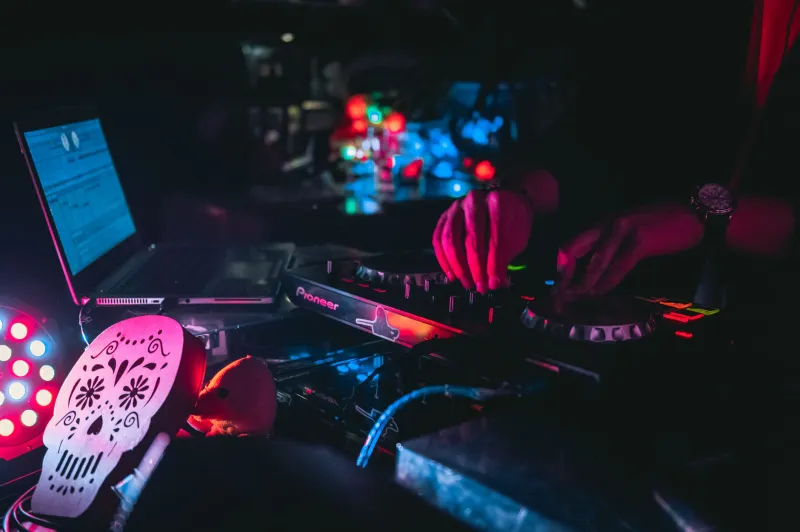
Pressed for a Reason: How Smart DJs Use Record Store Day to Build Sets the Algorithm Will Never Touch
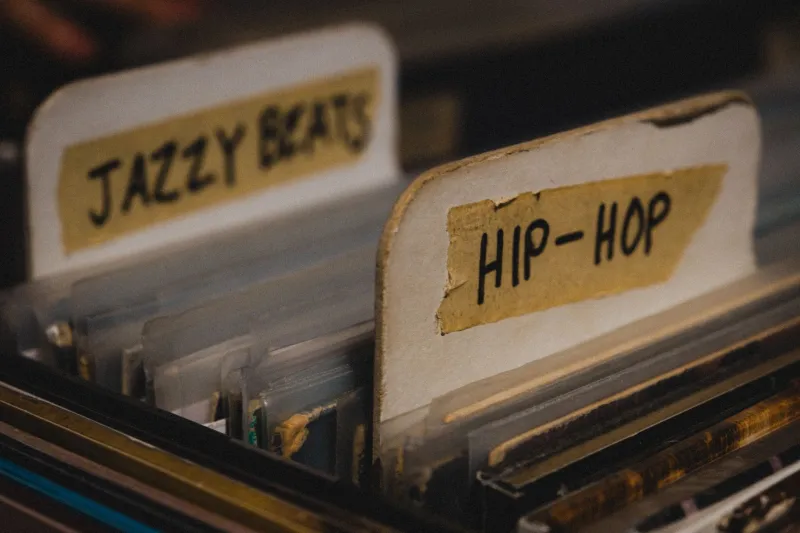
Every April, something strange happens outside independent record stores across America. People line up before sunrise. They clutch handwritten lists. They argue, politely, about who was there first. And somewhere in that line, mixed in with the casual fans and the die-hard collectors, you'll find working DJs — not shopping out of sentiment, but out of strategy.
Record Store Day has been around since 2008, and the conversation around it has never fully settled. Is it a genuine celebration of independent music retail, or a commercialized nostalgia trip that floods the market with overpriced colored vinyl nobody actually plays? The debate is real, and it's worth having. But underneath all the discourse, there's a quieter story unfolding — one about DJs who've figured out that the chaos of RSD drops is actually one of the best sourcing opportunities of the year.
The Streaming Paradox Nobody Wants to Talk About
Here's the uncomfortable truth about streaming-era DJing: when every track is available to everyone at the same time, the pool gets shallow fast. If you're building sets exclusively from Beatport, Tidal, or SoundCloud, you're fishing in the same water as every other DJ in your market. The tools are democratic, which sounds great until you're the third person in one night to drop the same remix at the same BPM.
This is where physical media — and specifically, the limited pressings that define Record Store Day — starts to look less like a hobby and more like a workflow decision. RSD drops are, by design, scarce. A pressing of 1,500 copies of an exclusive remix or a long-out-of-print reissue doesn't end up in anyone's streaming library. It ends up in the hands of whoever showed up and knew what they were looking for.
For a DJ playing a weekly residency in Chicago or a touring set across festival circuits in the Southeast, that scarcity is the point.
What's Actually Worth Hunting On RSD
Not everything that comes out on Record Store Day deserves a spot in your crate. A lot of it is exactly what the critics say it is — color variants of classic albums that look great on a shelf and get played once. But buried in the official RSD release list every year are genuine gems for working DJs who know what to look for.
Exclusive remixes and alternate versions are the obvious win. Labels occasionally press RSD-exclusive 12-inch remixes that never see a digital release. If you find one that fits your sound, you're holding something that literally cannot be replicated by the DJ next to you on a streaming platform.
Deep catalog reissues are where the real digging pays off. RSD regularly surfaces out-of-print material from labels that either folded, lost their masters, or simply never digitized their back catalog properly. For DJs who play anything from classic house to post-punk to Latin freestyle, these drops can fill holes in a collection that no algorithm is going to patch.
Regional and indie label drops tend to fly under the radar of the bigger collectors but are often the most interesting for DJs with a specific niche. Small labels use RSD as a showcase moment, and if you're paying attention to what's coming out of, say, a New Orleans brass-influenced electronic imprint or a Seattle ambient label, you might walk away with something that genuinely defines a section of your set for the next two years.
The $200 Reality Check
Let's be honest about the math. A serious RSD haul — even a targeted, disciplined one — can run $150 to $300 in a single morning. That's real money, especially for DJs who aren't yet pulling headliner rates. And unlike a digital purchase, you're also taking on the logistical weight of physical media: storage, transport, maintenance, and the very real risk of a skip at the worst possible moment during a live set.
So is it worth it? That depends entirely on what kind of DJ you're trying to be.
If your goal is to play what the crowd already knows they want, streaming will serve you just fine and cost you a fraction of the price. But if you're building a reputation on curation — on the idea that your selections come from somewhere the average listener can't quite place — then physical sourcing, RSD included, isn't an expense. It's an investment in the thing that makes you irreplaceable.
The DJs who've built lasting careers in this country — the ones who've held residencies for a decade, who get booked because of who they are rather than what's trending — almost universally talk about their collections as living documents. RSD is one of the few moments in the calendar year where that document gets updated in a way that's genuinely exclusive.
How to Shop RSD Like a Working DJ, Not a Collector
The mindset shift is everything. Collectors shop RSD for completion — to own a specific thing. DJs should shop it for function — to find things they can actually use behind the decks.
That means doing homework before the day arrives. The full RSD release list drops weeks in advance. Go through it with your specific sound in mind. Cross-reference with Discogs to figure out what's genuinely rare versus what's just being repackaged for the occasion. Prioritize the 12-inch singles and EPs over full albums — they're more practical for mixing and tend to offer more interesting edits and extended versions.
It also means building relationships with your local record store staff. The people working the floor on RSD morning know their inventory, know their regulars, and often know which items are going to go fast. A good working relationship with a local shop can mean a heads-up on what's worth prioritizing when the doors open.
And if you miss something? Check back in the weeks after RSD. Not everything sells out immediately, and stores often surface leftover stock in the days that follow. Discogs and eBay will have markups, but for a genuinely useful piece of wax, paying a modest premium over retail isn't the tragedy the resale-discourse crowd makes it out to be.
The Bigger Point
Record Store Day isn't going to save physical music retail, and it's not going to replace streaming as the dominant way most people — including most DJs — access music. That argument is over and the outcome is settled.
But that's not really what RSD is about for the DJ who plays for keeps. It's about maintaining access to a layer of music culture that exists outside the algorithm's reach. It's about owning something that carries provenance — that you can point to and say, I found this, I carried it home, and nobody else in this room has it.
In a culture where the crossfade between one track and the next is increasingly automated, the DJ who still hunts physical media is making a statement about craft. Record Store Day, for all its messiness and commercialization and very long lines, is one of the few moments left in the year where that statement costs you something real — and pays back accordingly.