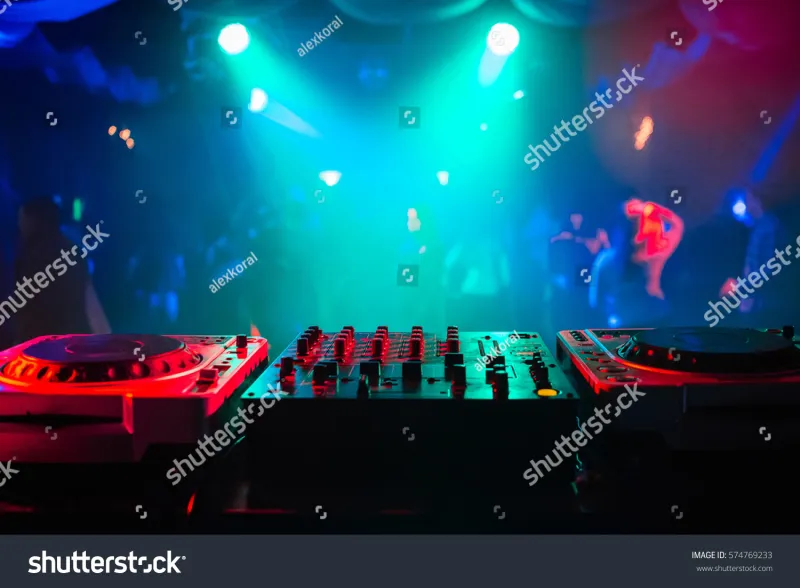
Booked by the Algorithm: How the 60-Second Clip Became America's Real DJ Résumé
There's a story making the rounds in booking circles that goes something like this: a promoter in Chicago needs to fill a Friday slot. Instead of scrolling through SoundCloud links or asking around about who can actually work a room, they open Instagram, tap a DJ's pinned Reel, and watch a crowd lose its mind for sixty seconds. Booking done. No mix listened to. No reference call made. Just a vertical video with a bass drop timed perfectly to the cut.
If that sounds like a nightmare scenario, plenty of promoters would disagree with you. If it sounds like the future, well — check your DMs, because the future already slid in.
The Demo Tape Died and Left Its Phone Behind
Every generation of DJs has had its gatekeeping artifact. For the vinyl heads, it was the carefully sequenced demo CD-R, handed to a club owner with sweaty palms. Then came the SoundCloud era, when a well-mixed ninety-minute set could do the rounds and land you a slot three states away. Both of those formats had one thing in common: they showed your craft. The long game. The build. The ability to hold a room's attention past the first drop.
The clip shows none of that. And yet it's what's getting people booked in Miami, in Denver, in Brooklyn basements and Vegas dayclubs alike. The math is brutal and simple: a promoter can watch six Reels in the time it takes to get through twenty minutes of a mix. Attention is the currency, and the vertical highlight reel is the smallest possible denomination.
What the Camera Actually Captures
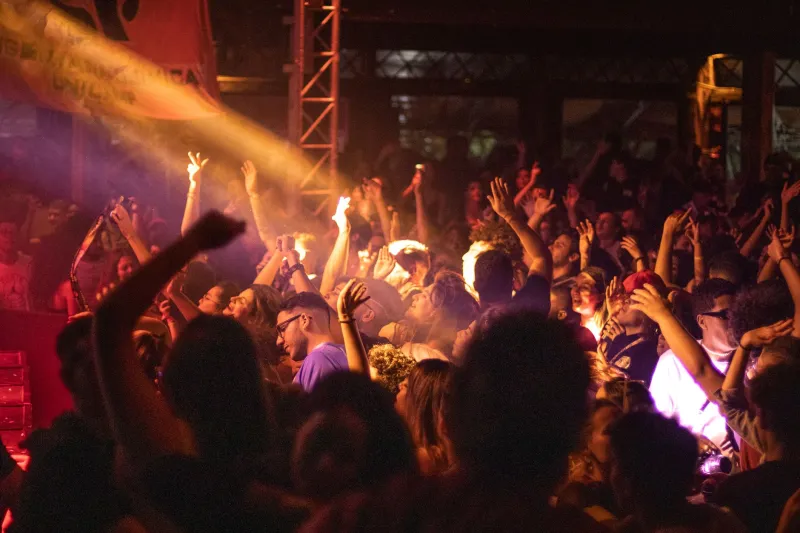
Here's where it gets interesting — and a little uncomfortable. A good clip doesn't primarily showcase DJing skill. It showcases crowd response. That's a meaningful difference. The camera is pointed at the booth and the front rows, and what it's really documenting is energy transfer: the moment a transition lands, the hands that go up, the singalong that erupts when a familiar vocal sneaks in.
Some DJs have gotten genuinely great at engineering these moments. They know which tracks photograph well. They know the crowd-pleaser that hits different when the phone is rolling. Whether that's a cynical skill or a legitimate one depends on how much you think reading a room and packaging a room are the same thing.
The honest answer is that they overlap but aren't identical. Plenty of working DJs will tell you their best sets — the ones where they took risks, dug deep, played the weird stuff that only works at 2 AM — would make terrible clips. Nobody's filming the slow burn. Nobody's sharing the ten minutes of tension before the payoff.
The Skills That Don't Fit in a Phone Screen
Ask any veteran about the gap between clip-famous and club-ready and you'll get an earful. The things that make someone a great long-form DJ are stubbornly un-Instagrammable: programming over two hours, managing a room's stamina, knowing when to clear the floor and when to pack it. A sixty-second vertical can't test any of that. It's the highlight without the game.
This creates a weird pipeline problem. DJs who build followings through clips get booked into slots they may not have the endurance for, and rooms find out in real time. Meanwhile, the grinders — the ones who've held down weeklies and closing slots for years without a viral moment — watch gigs go to whoever cracked the editing formula.
But let's not pretend the old system was meritocratic either. Demo tapes went in the trash. Mixes got five seconds of listen before the skip. The clip at least democratizes visibility — a DJ in Tulsa with a phone and a decent crowd can get seen by a booker in LA without knowing anyone. That part is genuinely new, and genuinely good.
How to Play the New Game Without Losing Your Soul
If you're building a booking profile right now, the smart move isn't to swear off clips or to become a content farm. It's to treat the clip as a trailer, not the movie. A few things that separate DJs who convert short-form attention into real careers:
- Clip the crowd, not just yourself. The reaction is the product. A technically perfect transition with a dead room tells a promoter everything they need to know — in the wrong way.
- Keep the long-form proof alive. Mixes, recordings of full sets, live streams. When a serious booker gets interested, they will go looking. Have something there that shows you can go the distance.
- Let the clips reflect what you actually play. If your Reels are all big-room bangers but your heart is in two-step and breaks, you're booking yourself into rooms that will resent you by the second hour.
The demo tape didn't die because the music got worse. It died because attention got shorter. The DJs who last through this era will be the ones who understand the clip for what it is — a door opener, nothing more — and who've done the unglamorous work of making sure that once they're through the door, they can actually play the whole night.