Play the Long Game: Rethinking the Sacred Rules of the Support Slot
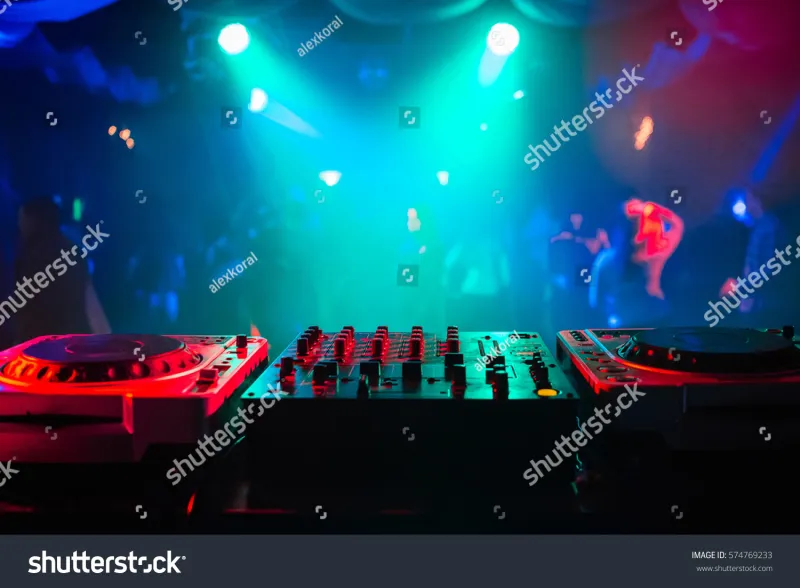
Photo: DJ opening set warm-up booth nightclub early evening crowd, via image.shutterstock.com
Every DJ learns the commandments early. Thou shalt not play the headliner's catalog. Thou shalt keep the energy in the middle lane. Thou shalt leave the room warm but not hot, full but not packed, satisfied but hungry. Break them and you'll hear about it — from the headliner, from their manager, from the promoter who watched the room thin out at 11 PM.
I've started to wonder whether we've got this backwards. Not entirely — some of the rules exist for good reasons. But somewhere along the way, the craft of opening turned into the craft of apologizing for existing, and that's worth pushing on.
The Case for Caution (Steel-Manned First)
Let's be fair to the traditionalists. The support slot has a real economic function: the headliner is the product people paid for, and the opener is the packaging. A great opening set makes the headliner look better. A room-destroying opener makes everyone's night worse — including yours, because the story people tell afterward won't be about your bold track selection. It'll be about how the vibe died before the main event.
There's also the relationship math. Opening DJs are, whether they like it or not, in an ongoing negotiation with headliners and promoters. Burn one bridge with a selfish set and you might not get a second call in that city. In a scene that runs on favors and text messages, that's real currency.
Where the Rules Break Down
Here's my problem: the rules as commonly taught don't distinguish between generosity and self-erasure. "Don't play the headliner's tracks" is generosity — it protects their moment. "Don't play anything too distinctive" is self-erasure, and it produces the worst thing an opening set can be: forgettable.
I've watched too many openers play what I'd call beige sets — competent, inoffensive, entirely without identity. And here's the thing: nobody remembers beige. Not the crowd, not the headliner, not the promoter. If the goal of opening is to get asked back, the actual path there isn't blandness. It's being good in a way that's specific to you while respecting the structure of the night.
The DJs I know who've built careers from support slots did something subtler than either playing it safe or torching the room. They took calculated risks early — an unreleased ID, a left-field genre pivot — while keeping the overall arc in service of the night. They played the room, not their ego, but they made sure the room knew who was playing.
Three War Stories, Three Lessons
Consider three archetypes, all of whom exist in every American city:
The Safe Hand. Played it exactly by the book, no risks, no identity. Solid set, no complaints — and no follow-up gigs, because the promoter couldn't remember anything about them to recommend. The lesson: safety is a strategy, but it's one that requires someone to advocate for you, and nobody advocates for beige.
The Room Torcher. Dropped the headliner's biggest track forty minutes in, cleared the floor by midnight, spent the next year hearing about it. The lesson here is obvious, but it's worth stating precisely: it wasn't the big record that did the damage. It was the timing. The same record at the right moment could have been a gift to the headliner.
The Sweet Spot Finder. Opened with restraint, built patiently, then took one genuine swing — a moment that was unmistakably theirs — right before the handoff. The headliner walked into a warm, curious, primed room. Both DJs won. That's the whole game.
A Rewrite Worth Making
So here's my proposed edit to the commandments: open with humility, not invisibility. Protect the headliner's space, but claim your own. Take one real risk per set — one moment that's yours — and place it where it helps the night rather than derailing it.
The support slot isn't sacred ground to be tiptoed across. It's an audition with the volume turned down. The DJs who understand that don't have to choose between respect and identity. They get both — and eventually, they get the headline slot too.