Clean Landing: The Lost Art of the Booth Handoff
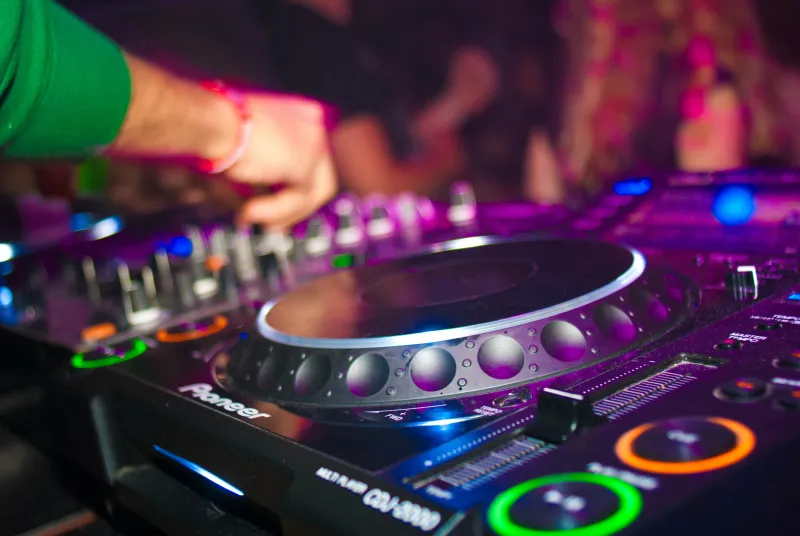
Photo: DJ booth changeover cables mixer hands packing down, via wallpapercave.com
The set ends. The last track fades. The crowd claps, or does not. You unplug your USBs, coil your cables, and walk away. What happens in the next ten minutes is usually invisible to the audience. It is also one of the clearest signals of whether you are a professional.
The booth handoff is the unglamorous bridge between two performances. It is the moment when one DJ becomes the next DJ's support system, or their obstacle. In American club and festival culture, where changeovers can be tight and gear can be unpredictable, the handoff is not a minor courtesy. It is a skill. And like any skill, it can be practiced.
The Ten Minutes That Define You
Bookers remember how you left the booth. They remember whether you cleared your bottles, whether you left the channel faders up, whether the next DJ had to spend five minutes untangling your cables. They remember whether you played over the intro of the person after you. These details do not show up in the promo video. They show up in the group chat the next morning.
A clean handoff buys you something that is hard to price: trust. The next DJ knows you are not going to sabotage them. The sound engineer knows you are not going to leave a mess. The promoter knows they can book you again without adding a babysitter to the rider.
Pack Down Like You Are Leaving a Rental Car
The standard is simple. Leave the booth better than you found it. That does not mean rearranging the gear. It means returning it to a neutral state. Channel faders down. EQs flat or centered. Filters off. Crossfader centered. Gains where you found them, or close enough that the next person can work.
Coil your cables. Do not stuff them into a bag like wet spaghetti. Label your USBs. Take your trash. If you brought a drink into the booth, take the cup out. If you spilled something, tell someone. If a cable is going bad, say so. These are small things, but they add up to a professional reputation.
The Booth Is a Shared Workspace
The booth is not your studio. It is a shared workstation, often a cramped one. The next DJ needs room to set up, a place to put their headphones, and a few seconds of quiet to find their first track. If you are still standing in the middle of the booth talking to a friend while they are trying to load a USB, you are in the way.
Pack down with urgency, but do not rush the next person. If they need a hand, offer it. If they do not, get out of the way. The best handoffs are almost boring. One DJ leaves, the other arrives, the music continues.
The Sabotage Checklist
Most DJs are not trying to sabotage anyone. But the same mistakes show up over and over. Playing one more track after your set time. Leaving the monitor cranked so the next DJ gets blasted. Unplugging the house mixer to charge a phone. Leaving a laptop open and logged in on the booth table. Stacking drinks next to the faders. These are not malicious acts. They are thoughtless ones.
The fix is awareness. Before you play, watch how the previous DJ hands off. Notice what works and what does not. Then build your own routine. A good routine is not complicated: stop on time, pack your gear, clean your space, communicate anything the next person needs to know, and leave.
Leaving a Clean Landing
A clean landing is not just about physical space. It is about information. If the left channel is crackling, tell the next DJ. If the booth monitor is blown, tell them. If the promoter said the set is running ten minutes short, confirm it. If you already played the track they planned to open with, let them know. That last one is awkward, but it is better than watching them drop a track into a room that just heard it.
Do not cue your next track for them. Do not touch their gear. Do not give unsolicited advice unless they ask. The handoff is a transfer of responsibility, not a collaboration. The sooner the next DJ has control, the sooner the room can settle.
The Festival Version
Festival changeovers are their own beast. The clock is tighter, the stage is bigger, and the crowd is less patient. A five-minute handoff can feel like five seconds. The DJs who handle it well have a system. They pre-label their USBs. They know exactly which cables they need. They pack down in a sequence that does not require thinking. They do not wait for the stage manager to ask them to move.
If you are playing a festival in 2026, practice your handoff before you get there. Time yourself. See how long it takes to clear your gear and leave the booth in a neutral state. The skill is not glamorous, but it is visible to everyone who matters.
Why It Matters
The handoff is a career skill because it is a character test. It shows whether you can share a space, respect a timeline, and think about someone other than yourself. In a scene that runs on relationships, that matters more than one perfect transition.
The next time your set ends, do not just walk away. Look at the booth. Look at the next DJ. Leave them something they can work with. That is not just good manners. That is the job.