Rap Till Midnight, Techno Til Close: America's Hybrid Club Nights Are Blurring Every Line
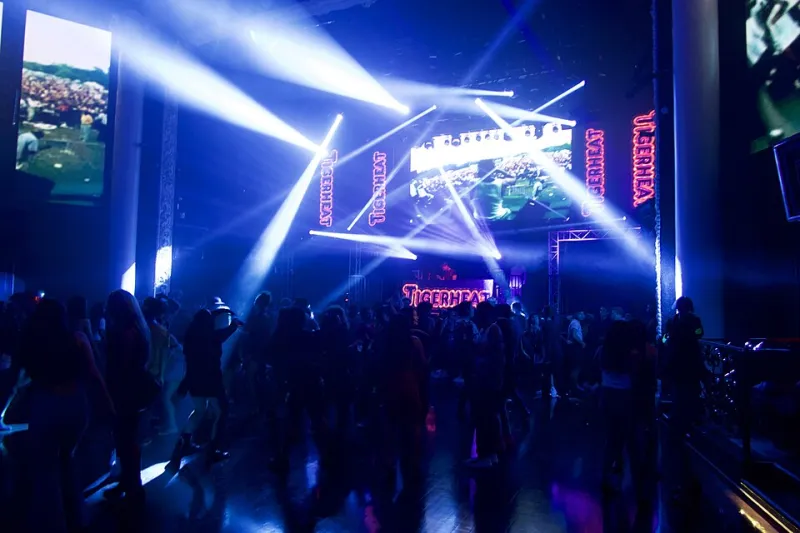
Photo: Lanisha Cole, CC BY-SA 4.0, via Wikimedia Commons
There's a moment — usually around 12:30, sometimes closer to 1 — when the DJ at one of these nights makes the switch. The 808s thin out, a four-on-the-floor kick creeps underneath a remix of whatever rap record was just rocking, and within twenty minutes the room has fully crossed over from hip-hop night to house night. Nobody left. Nobody complained. Everybody just... kept dancing.
These hybrid nights — rap and R&B early, electronic music late — have quietly become one of the most interesting formats in American nightlife. Here's a tour of how they work and why they're spreading.
The Template: One Room, Two Halves
The classic version runs like this: doors at 10, hip-hop and R&B until midnight or so, then a slow, deliberate pivot into house, Jersey club, or techno through close. The craft is all in the pivot. The best residents don't slam the door on rap — they bridge it with remixes, edits, and tracks that live in both worlds: think club edits of rap vocals, Baltimore and Jersey club flips, or the wave of rap-adjacent dance records coming out of scenes like the one around Kelela and PinkPantheress collaborators.
Who programs it: Usually a duo or small crew — one DJ rooted in the hip-hop side, one in the electronic side, sharing the night like a relay baton. The handoff tracks are planned weeks in advance.
Who shows up: The magic of these nights is demographic overlap. The early crowd skews toward the rap-night faithful; by 1 AM it's a mix of everyone who stayed plus the late-arriving dance crowd. Regulars describe it as "two parties for the price of one."
Where It's Happening
New York might be the capital of the format — Brooklyn loft parties and Manhattan spots alike have run the rap-to-techno arc for years, and the city's genre-fluid crowd treats it as normal. Los Angeles versions lean heavier into the low-slung, 100-ish BPM zone before opening up into house and global club sounds. Houston, Atlanta, and Miami bring their own regional flavors — bounce, trap, and bass-heavy early sets that make the crossover feel less like a genre switch and more like a deepening. And in Chicago and Detroit, the hybrid night is practically a homecoming: these are cities where house and techno were born in Black queer and hip-hop-adjacent spaces to begin with.
Why It Works — and What It Reveals
A few things these nights expose about American nightlife in 2025:
- The genre walls were always more marketing than reality. Club rap and club music share DNA — the same drum machines, the same bass-forward mixing, the same dancefloor logic. The hybrid night just admits it out loud.
- Audiences are more fluid than the industry thinks. The same 24-year-old streaming both rap and dance playlists all week has no interest in picking a side at the door.
- Programming is the product. The nights that survive are the ones where the transition is treated as the centerpiece — rehearsed, curated, and built on tracks that genuinely bridge the gap rather than a hard 1 AM format swap.
- The economics favor it. Two audiences, one door, one marketing budget. For venues squeezed by rising costs, a night that pulls two crowds is just good business.
The Growing Pains
It's not all seamless. Purists on both sides grumble — the techno heads who think the early hours dilute the room, the rap heads who feel abandoned when the kicks take over. Some crossover attempts fail miserably when the DJ treats the switch as a format obligation rather than a musical decision. The dead giveaway is a night where the dancefloor visibly splits in half at midnight, one side confused, the other waiting out the rap.
But when it lands? It lands hard. The 2 AM crossover — that stretch where the room has fully transformed but nobody noticed the moment it happened — might be the most impressive programming feat in American club culture right now. The lines between scenes aren't blurring because someone decided they should. They're blurring because the dancefloor already blurred them, one midnight handoff at a time.