The Gig Curriculum: What the Bedroom Will Never Teach You
Let's be honest about something the DJ tutorial economy doesn't want you to think too hard about: you can get really, really good at DJing in your bedroom and still be completely unready for an actual gig.
This isn't a knock on home practice. Logging hours on your gear, building your library, learning to beatmatch, developing your ear — all of it matters. But there's a ceiling on what a controlled environment can teach you, and most aspiring DJs hit that ceiling without realizing it. They show up to their first real booking technically capable and experientially hollow, and they wonder why the room isn't responding the way it does in their head.
The gap between bedroom proficiency and professional readiness is real, it's specific, and it's closeable — if you know what you're actually trying to close.
What Home Practice Actually Builds
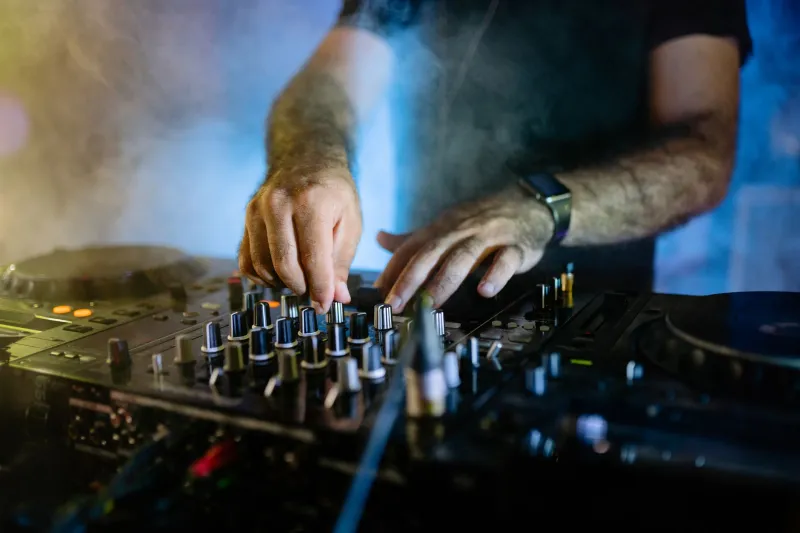
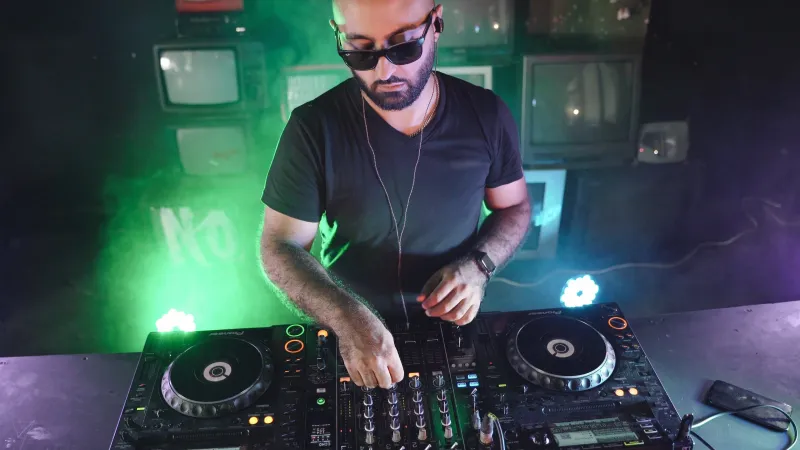
First, credit where it's due. Bedroom practice is where you build the mechanical foundation: beatmatching, phrasing, EQ management, cue point discipline, track selection instincts. These are non-negotiable. You can't walk into a booth without them, and there's no shortcut for logging the reps.
But here's the thing about all of those skills: they're built in a context where you control every variable. Your speakers sound how you expect them to sound. Your laptop isn't running hot. The track you're about to drop is the one you planned to drop. Nobody just walked up and yelled a request in your ear. The beer-soaked dancer who just bumped your laptop doesn't exist. The monitor that's been buzzing since 11 PM is someone else's problem.
Bedroom practice teaches you to perform under ideal conditions. Professional DJing is almost never ideal conditions.
Skill One: Real-Time Crowd Reading
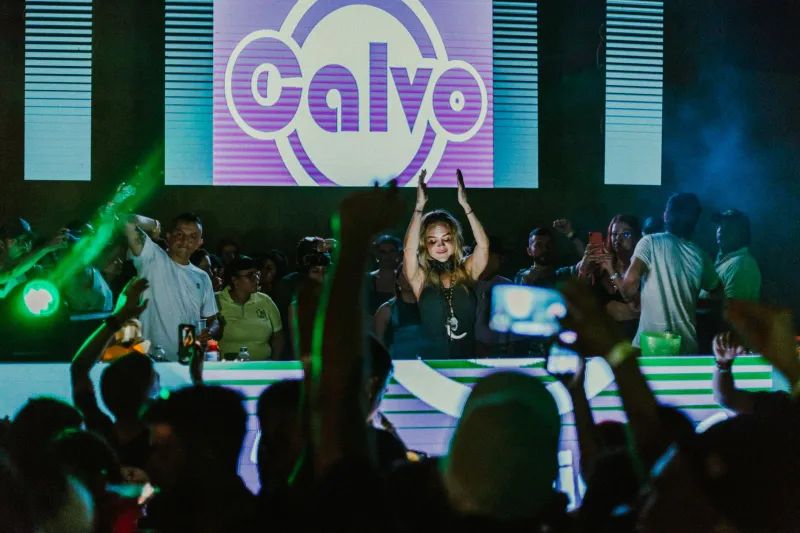
This is the big one, and it cannot be simulated. Reading a crowd — actually reading them, not just watching them — is a skill built entirely through live exposure. It's the ability to look at a room and know, with some accuracy, whether the energy is building toward something or quietly dying, whether the track you're three songs away from playing needs to come out now, whether the vibe in the back corner is different from the vibe near the stage and what that means for your next move.
Nobody learns this at home. You learn it by playing rooms. By getting it wrong and watching what happens. By playing a peak-time banger at 10:15 PM and watching the floor thin out, then understanding viscerally — not intellectually — why the timing was off.
The practical shortcut here is to get in front of people as often as possible, even in low-stakes settings. House parties. Open decks nights. Rooftop events. College bars. Anywhere there are actual humans responding to music you're playing in real time. Volume and frequency of live experience matters more than the prestige of the venue, especially early on.
Skill Two: Improvisation Under Pressure
In your bedroom, you can plan a set. You can have a rough arc, a few anchor tracks, a closing sequence. And then you walk into a real room and the plan evaporates in the first twenty minutes because the crowd is running younger than you expected, or the opening DJ went forty-five minutes long and the room is already peaked, or the event is a wedding and someone just told you the couple's first dance needs to happen in the next fifteen minutes.
Improvisation — real improvisation, not just scrolling your library in a mild panic — is a muscle. It's built by putting yourself in situations where the plan fails and you have to find something anyway. DJs who only ever play rehearsed sets don't develop this. DJs who play chaotic, unpredictable gigs do.
One concrete exercise: practice intentional disruption at home. Build a set around a genre or tempo, then halfway through, force yourself to pivot completely — different energy, different BPM range, different vibe — without stopping the music. It's not the same as doing it live, but it starts training the mental flexibility.
Skill Three: Equipment Troubleshooting in Real Time
Your setup at home works perfectly because you've optimized it for your space. You know which cable is temperamental. You know the laptop needs to be plugged in after 90 minutes or the battery warning starts popping up. You've solved all your own problems in advance.
At a venue, you're often walking into someone else's solved problems — or, more accurately, someone else's unsolved ones. A channel that drops out intermittently. A CDJ with a firmware version you've never used. A mixer where the crossfader curve is set wrong and nobody knows how to change it. A monitor positioned so badly you can barely hear your cue.
The DJs who handle this gracefully have handled it before. They've built a mental library of quick fixes and workarounds. They know to carry a spare RCA cable and a USB hub. They know how to play through a bad monitor by leaning harder on the booth output. They know that when the bass is distorting through the PA, the first thing to check is the gain, not the EQ.
You build this library by gigging. There's no other way.
Building the Curriculum Without Waiting for the Break
The traditional advice is to pay your dues — assist at events, shadow other DJs, wait for the opportunity. That's still valid, but it's not the whole picture anymore.
Stream regularly, and treat your streams like live gigs: no stopping, no rewinding, no do-overs. Take requests from your chat and fulfill them in real time. Offer to DJ for free at events where you'd normally just attend. Start an open decks night at a local bar and host it yourself — you'll play, but you'll also watch other DJs manage real rooms in real time, which is its own education.
The gig curriculum is learnable. It just has to be lived.