No Label, No Problem: How America's Next Wave of Electronic Artists Is Writing Its Own Rules in 2025
No Label, No Problem: How America's Next Wave of Electronic Artists Is Writing Its Own Rules in 2025
Not long ago, breaking into the electronic music industry as an American artist meant one of two things: either you grinded your way into the EDM festival circuit through a major booking agency's roster, or you spent years cultivating European credibility before anyone stateside took you seriously. The pipeline was narrow, the gatekeepers were real, and the price of admission — financial, creative, personal — was steep.
That pipeline hasn't disappeared entirely. But in 2025, it's no longer the only road. In fact, for a growing number of US electronic artists, it's not even the most interesting one.
Across the country, a scrappy, creative, and deeply online generation of producers and DJs is building loyal fanbases from the ground up — bypassing traditional label structures, routing around legacy media, and leveraging a toolkit of platforms and strategies that simply didn't exist a decade ago. The results aren't just promising. In some cases, they're genuinely remarkable.
We talked to three of them.
Mara Solís: TikTok as a Living Demo Reel
Mara Solís grew up in San Antonio making music on a cracked copy of FL Studio she downloaded in high school. By 2022, she had a small but devoted SoundCloud following built around her signature blend of hyperpop and tejano-influenced club music. By early 2024, she was selling out 500-capacity venues in Texas without a single major-label contact in her phone.
The bridge between those two realities was TikTok — but not in the way most people assume.
"Everyone thinks TikTok is just about going viral with one song," she says, calling in from her home studio in Austin. "But what actually worked for me was consistency over time. I posted studio content, I showed my process, I talked about the music I was sampling and why. People started following me as a person, not just as a track."
Solís made a deliberate decision early on to treat her TikTok page like a living demo reel — one that communicated not just her sound but her aesthetic, her references, and her personality. When she released her debut EP in the spring of 2024, she had an audience that already felt invested in her story. The release sold through Bandcamp in under 72 hours.
The lesson: Virality is unpredictable, but audience-building is a skill. Showing your process and your influences creates parasocial investment that converts into real support when it matters.
Devon Achebe: The Twitch-to-Tour Pipeline
Devon Achebe started streaming DJ sets on Twitch during the pandemic, mostly as a way to stay connected to the music while clubs were closed. What began as a coping mechanism turned into a full-time career infrastructure.
 Photo: Devon Achebe, via www.24auto.de
"I had maybe 40 viewers at first," says Achebe, based in Atlanta. "But those 40 people were loyal. They showed up every week. They told their friends. They started requesting tracks, giving me feedback in real time. It was like having a weekly residency where the crowd never left."
Over two years of consistent weekly streams, Achebe built a Twitch community of over 18,000 followers. More importantly, he built a mailing list — something he describes as his most valuable professional asset. "Social platforms can change their algorithm tomorrow and your reach disappears," he says. "But your email list is yours. That's how I announced my first tour, and that's how I sold it out."
His 2024 regional tour — hitting Atlanta, Nashville, Charlotte, and Birmingham — was self-booked, self-promoted, and profitable on its first run. He's now fielding offers from mid-size booking agencies, but he's in no rush. "I want to make sure any partnership serves my audience, not the other way around."
The lesson: Own your audience data. Email lists and direct community platforms are more durable than follower counts. Build the list before you need it.
Zoe Crane: Rave Culture as a Launchpad
Not every success story runs through social media algorithms. Zoe Crane, a Chicago-based DJ and producer specializing in hard techno and industrial club music, built her career almost entirely through the physical underground — the network of regional raves, warehouse parties, and DIY events that pulse beneath the surface of American nightlife.
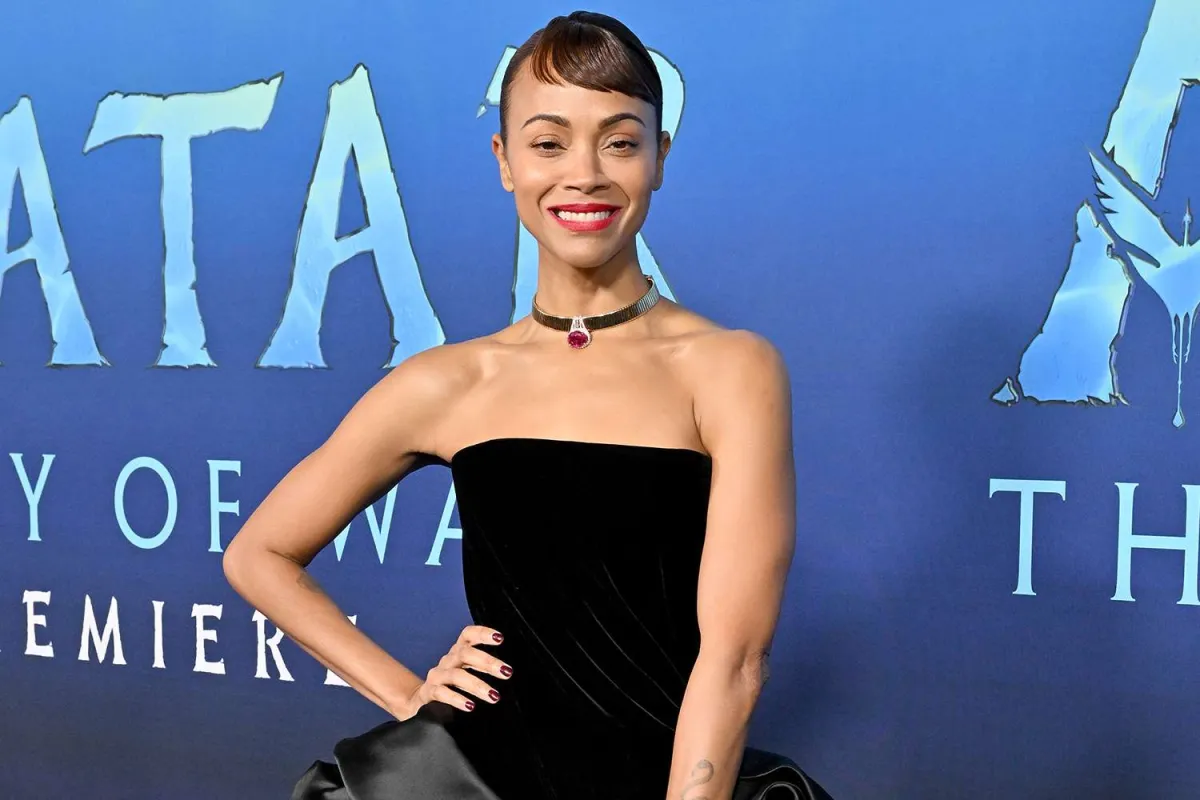 Photo: Zoe Crane, via people.com
"I wasn't getting TikTok traction because my music is not TikTok music," she says with a laugh. "It's dark, it's aggressive, it's 140 BPM. But there's a community of people who love exactly that, and they're everywhere — Chicago, Detroit, Philly, LA, Denver. You just have to find them."
Crane spent two years playing every underground event she could get on, often for little or no pay, building relationships with promoters, other artists, and the core crowd that shows up to these parties religiously. She documented those experiences on Instagram — not with polished promotional content, but with grainy, authentic footage that captured the energy of the spaces she was playing.
"The underground crowd can smell inauthenticity immediately," she says. "If your Instagram looks like a press kit, they're not interested. If it looks like you actually live in this world, they're in."
By the time Crane released her debut record on a respected Chicago independent label in late 2024, she already had a built-in audience across six cities. The label relationship, when it finally came, was a collaboration between equals rather than an artist-signing dynamic. She retained her masters.
The lesson: Community-first careers are slower but stickier. Authenticity within a specific subculture compounds over time into real cultural capital — and eventually, real leverage.
What These Stories Have in Common
Three artists, three cities, three completely different strategies. But zoom out and the shared architecture becomes clear.
None of them waited for permission. None of them chased mainstream validation before establishing a foundation. All three treated their earliest audiences — however small — as genuinely important relationships rather than stepping stones. And all three were ruthlessly consistent, showing up week after week long before the numbers justified the effort.
The music industry in 2025 is genuinely fractured — streaming payouts are still a mess, the festival circuit is increasingly consolidating around a handful of major players, and the algorithm-driven attention economy is exhausting in ways that are hard to overstate. None of that is going away.
But the same fragmentation that makes the old paths harder has also made new paths possible. The tools to record, distribute, stream, and promote music are more accessible than they've ever been. The communities — online and physical — are there, waiting to connect around sounds they love.
The blueprint exists. It just looks different for every artist who writes it.
And honestly? That's kind of the whole point.