The Slider Nobody Touches Anymore: In Defense of the Crossfader
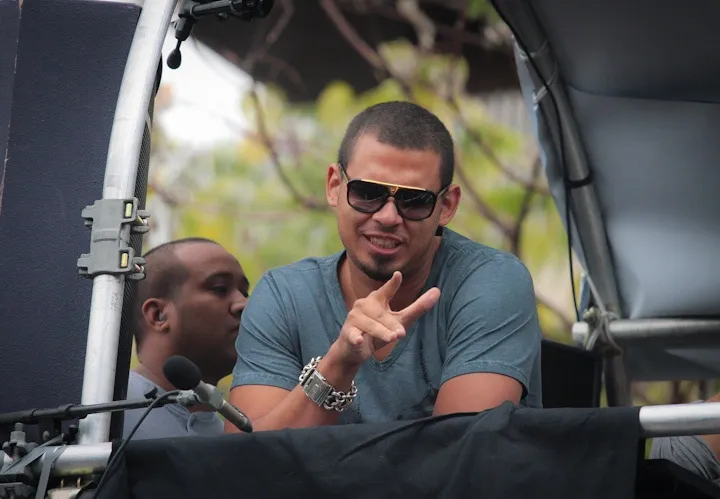
Photo: Michael Grech, CC BY 2.0, via Wikimedia Commons
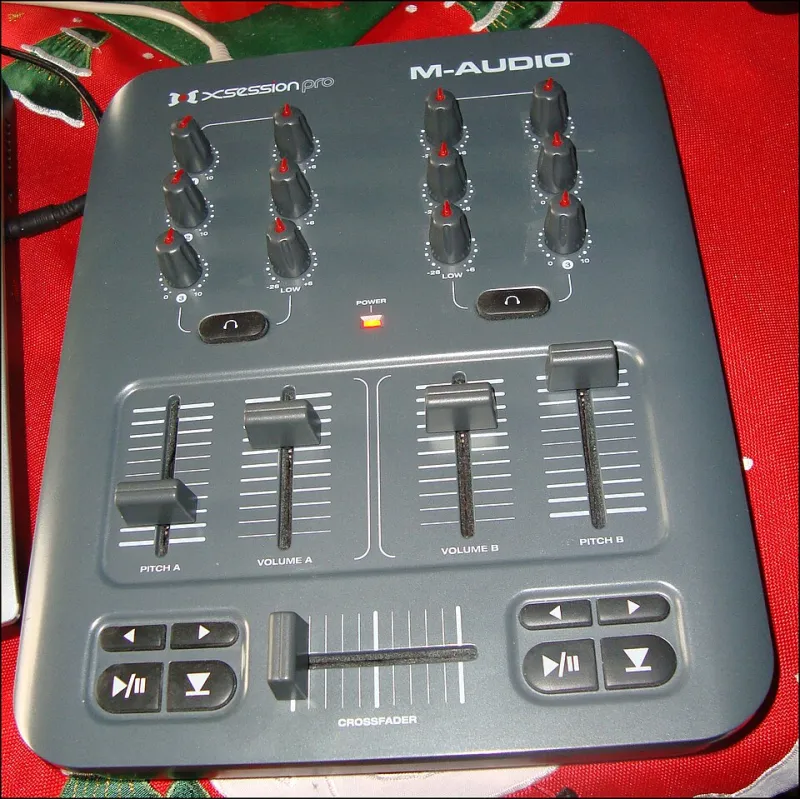
Watch a young club DJ set up and you'll notice something: the crossfader sits dead center, untouched, like a museum piece. Two channels, EQ kills, long blends, maybe a filter sweep for drama. The fader in the middle? Never grazed. Somewhere in the last fifteen years, the crossfader went from the centerpiece of the booth to decorative hardware.
Is that progress, or did we lose something along the way?
How the Blend Killed the Cut
The shift makes sense on paper. Modern house and techno mixing — the dominant grammar in American club booths — is built on layering. You bring a track in with the lows cut, swap the basslines, ride the mids and highs, and let the two songs share air for 32 or 64 bars. It's smooth, it's long-form, and it's arguably more musically sophisticated than a hard cut.
In that world, the crossfader is redundant. The EQs do the work with far more control — three bands per channel versus one blunt slider. The crossfader's binary personality (this side, that side, or some mushy in-between) just doesn't offer much when you're sculpting a ten-minute blend.
But Scratch Culture Never Left
Here's the thing, though: talk to any turntablist and the crossfader isn't optional — it's the instrument. Scratching is literally fader technique. The chirp, the flare, the crab — none of it exists without a fader you can flick in milliseconds. Scratch DJs spend real money on fader tension adjustments and magnetic contactless faders (Innofaders and their cousins) purely to make that slider faster and more responsive.
Hip-hop, trap, and open-format DJs — still the backbone of American nightlife — live closer to this world than the techno crowd likes to admit. A quick cut from one track to the next, right on the vocal, hits harder in a lot of rooms than any gentle EQ blend ever will. The cut is a statement. The blend is a negotiation. Sometimes a room needs a statement.
The Middle Ground Most DJs Ignore
The real loss isn't that people blend instead of cut. It's that many newer DJs never learn the cut at all — and with it, they lose a vocabulary of transitions:
- The hard cut on the one. Ruthless, confident, and often the most exciting move available when the blend would just muddy things up.
- The half-fader chop. Using the crossfader rhythmically mid-track as a performance element, not just a transition tool.
- The quick fade as punctuation. Not every ending needs to be a long goodbye. Sometimes a two-second fade-out says "that chapter's done" better than 32 bars of overlap.
Genre norms play a role here too. House and techno culture prizes seamlessness, and that's a legitimate aesthetic. But bass music, hip-hop, and the ever-blurring open-format nights that dominate US club calendars reward DJs who can switch between blend logic and cut logic mid-set.
Craft Evolution or Lost Vocabulary?
The charitable read: DJing evolves, tools fall out of fashion, and nobody mourns the rotary mixer's dominance. The less charitable read: the crossfader's decline tracks with a broader homogenization of mixing style — everyone blending the same way, at the same tempo, with the same filter sweeps, producing sets that are smooth to the point of forgettable.
Our take? It's both. The blend deserved its throne — it genuinely expanded what DJ sets could be. But the crossfader isn't obsolete; it's specialized. It's the difference between speaking one language fluently and refusing to learn a second one.
So here's a challenge for the blend-only DJs: for one set, force yourself to use the crossfader at least three times. Cut hard once. Chop once. Fade fast once. Feel how the room reacts to a transition with edges.
The slider in the middle has been waiting patiently. It might just be the most underused creative tool in your booth.