Wax On, Wax Off: Why the Vinyl Boom Is Splitting the DJ World Right Down the Middle
Let's start with the numbers, because they're genuinely wild. Vinyl record sales in the United States have now outpaced CDs for three consecutive years. Artists from Taylor Swift to Kendrick Lamar are moving hundreds of thousands of physical records. Record Store Day still draws lines around the block in cities like Portland, Chicago, and Austin. On the surface, it looks like a golden age for an analog format that was supposed to be dead thirty years ago.
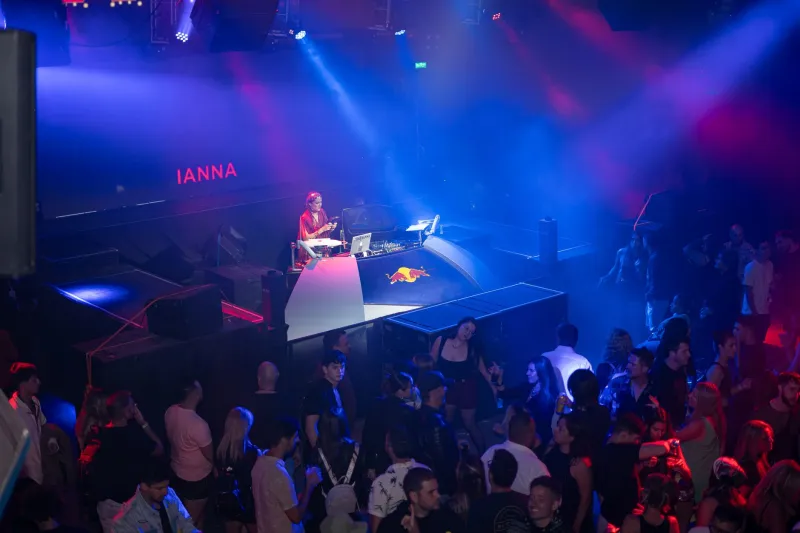
But spend five minutes talking to working DJs — the ones grinding Thursday nights at a bar in Nashville, holding down a monthly at a warehouse in Detroit, or warming up rooms in Brooklyn before the headliner shows — and a different picture emerges. One that's a lot more complicated, and honestly a little frustrating for the people actually living it.
The vinyl revival is real. Whether it means what people think it means for DJ culture? That's a much harder question.
Who's Actually Buying All These Records?
Here's the thing the think pieces tend to skip over: the overwhelming majority of vinyl being purchased right now isn't being purchased by DJs. It's being bought by collectors, by fans who want a physical artifact from their favorite artist, by twenty-three-year-olds who think a record shelf looks cool in their apartment, and by suburban parents rediscovering music they loved in college.
That's not a criticism — people can spend their money however they want. But it does matter when we're talking about what the vinyl revival actually means for the culture of DJing specifically.
The resurgence has been powered largely by the mainstream music industry leaning hard into vinyl as a premium product. Limited editions, colored pressings, exclusive variants — these are marketing tools designed to drive revenue and superfan engagement. They're not designed to stock the crates of a working DJ who needs three copies of the same twelve-inch because one will get scratched, one is the backup, and one stays sealed.
The economics alone are brutal. A new vinyl pressing of a popular album can run anywhere from $30 to $60 at retail. Used dance twelve-inches at a decent record store in any major American city have quietly crept up to $10, $15, $20 a pop. Building a functional DJ crate in 2025 on vinyl alone requires a budget that most emerging DJs simply don't have — especially when a Rekordbox library can hold thousands of tracks for the cost of a hard drive.
The 'Real DJ' Problem
Ask around and you'll hear some version of the same story. A DJ posts a clip of a clean mix online. The comments fill up with people asking what controller they're using, and inevitably someone drops in with a variation of: real DJs play vinyl. It happens constantly, across genres, across experience levels, across every corner of DJ social media.
This is where the cultural tension gets sharp.
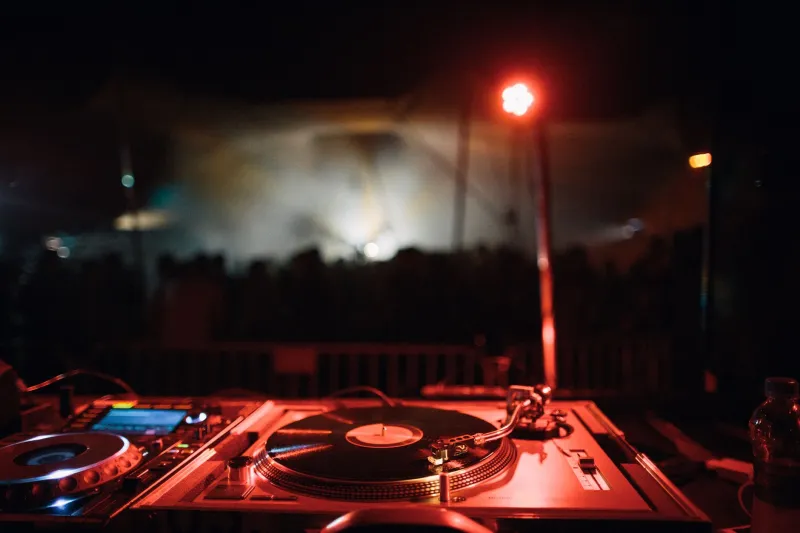
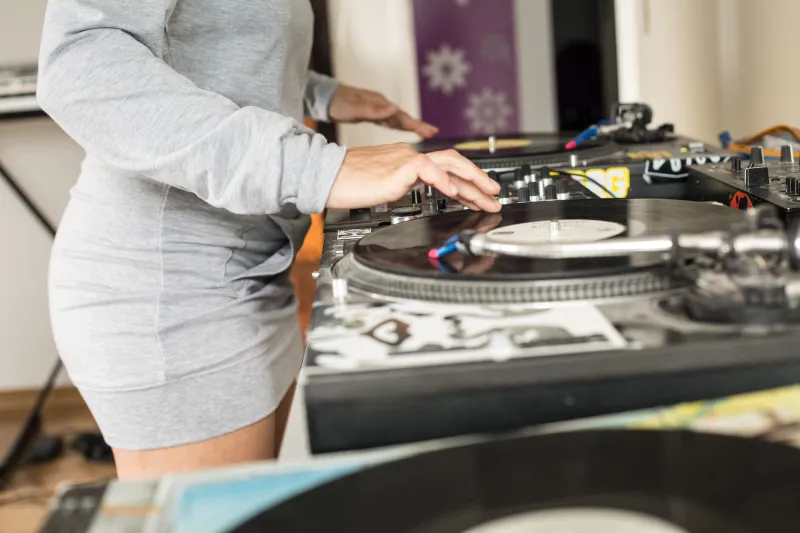
There's a legitimate argument for vinyl as a craft tool. The tactile feedback of a slipmat, the physical relationship between your hands and the music, the discipline required to beatmatch without a sync button — these things genuinely develop skills that translate to a deeper understanding of the music. Nobody serious is disputing that.
But there's a difference between respecting a craft tradition and using it as a gatekeeping mechanism. When format becomes the primary measure of legitimacy, something has gone sideways. A DJ who can read a room, build tension, sequence tracks with emotional intelligence, and bring a crowd from zero to euphoric in ninety minutes isn't less skilled because they're doing it on CDJs or a laptop. The music doesn't care what's playing it.
The irony is that many of the DJs most likely to wave the vinyl flag aren't the ones who came up in the era when wax was the only option. They're younger converts who discovered vinyl through the revival itself — which means their relationship to the format is partly aesthetic by definition.
What Veteran DJs Actually Think
Talk to DJs who were working through the '90s and early 2000s — when carrying records was just the job, not a statement — and you get a notably more relaxed perspective.
The consensus among a lot of long-time working DJs is some version of: use whatever helps you play the best set. The format isn't the point. The music is the point. The connection with the room is the point. Plenty of people who spent decades hauling crates made the switch to digital and never looked back — not because they stopped caring about craft, but because they cared more about the music than the ritual around it.
That said, there are real DJs who still play exclusively on wax and mean it — not as a performance of authenticity, but because that's genuinely how they hear and feel music best. That's valid. The problem isn't vinyl. The problem is the ideology that sometimes gets built around it.
Format Fetishism and What It Costs
When the conversation about DJing gets dominated by arguments about format, it tends to crowd out conversations about things that actually matter more: musicality, selection, crowd awareness, technical precision, originality.
A new DJ trying to break into the scene in 2025 doesn't need to be told that their Pioneer setup isn't legitimate. They need mentorship, they need honest feedback on their mixes, they need access to spaces where they can develop in front of actual humans. Format gatekeeping doesn't provide any of that — it just adds another layer of noise to an industry that already has plenty.
The vinyl revival is genuinely exciting for music culture in a broader sense. More people caring about physical media, more independent pressing plants getting business, more people engaging with album art and liner notes — these are good things. A healthier market for used records benefits DJs who do want to dig.
But the revival is largely happening outside the DJ booth, driven by forces that have more to do with marketing and nostalgia than with the actual craft of mixing. Treating it as a referendum on what makes a real DJ is a category error.
The Crossfade Reality
At the end of the day, DJing has always evolved alongside its tools. Turntables replaced live bands at parties. CDJs replaced turntables for most working DJs. Digital libraries and controllers opened the door for a generation of players who would never have been able to afford a vinyl-only setup. Each transition brought hand-wringing about authenticity. Each time, the music survived.
The DJs who are going to matter in five years aren't the ones who can win an argument about format on the internet. They're the ones who can hold a room, tell a story through music, and make people feel something they didn't expect to feel when they walked in.
Play wax if you love it. Play digital if that's your tool. But let's stop pretending the format is the point. The mix is the point. It always has been.