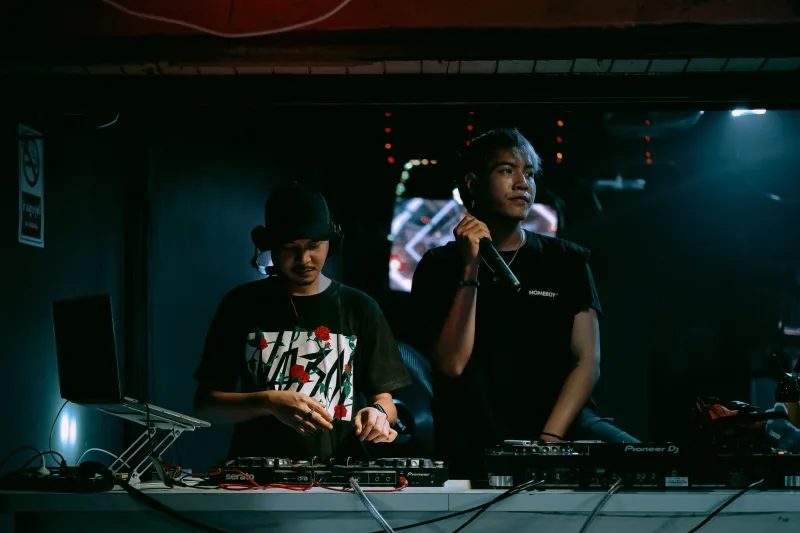
Before the Drop: The Quiet Mastery of DJs Who Know How to Warm Up a Room
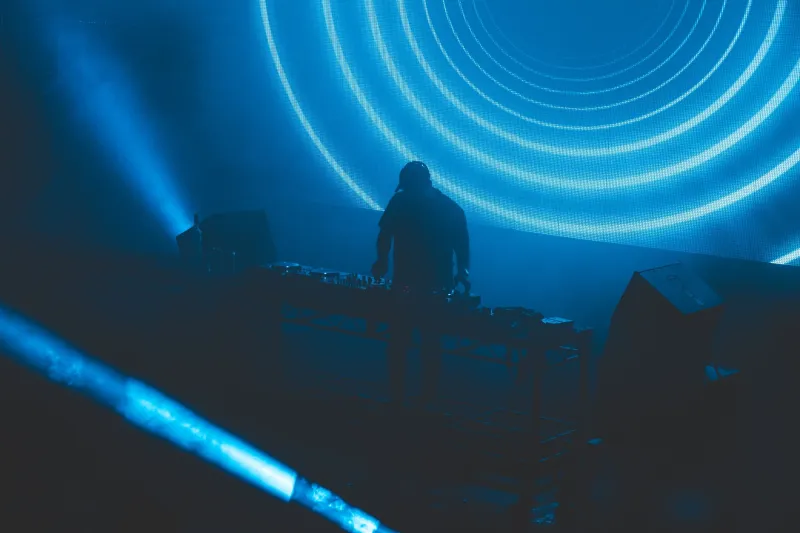
Nobody's Instagram story is captioned "first 30 minutes of the night." Nobody's hyping up the opener. The headliner gets the flyer real estate, the late-night crowd, and the moment everyone talks about Monday morning. The opener gets a room that's maybe a third full, a bartender still counting her float, and a sound system that hasn't been properly dialed in yet.
And yet — ask almost any respected working DJ in the US club circuit which slot actually separates the skilled from the merely competent, and you'll hear the same answer: the opening set.
"Anyone can rock a packed room at midnight," says a Chicago-based resident DJ who's held down a weekly at a Wicker Park club for the better part of four years. "The room is already warm, people are already loose, the energy is already there. You're basically surfing a wave someone else built. But at nine o'clock on a Friday? You're building the wave from scratch. That's a completely different discipline."
The Ego Problem Nobody Talks About
Here's the thing about opening slots: they punish ego faster than any other gig in the room. Walk in thinking you're there to showcase your sound, and you'll clear whatever few people showed up early. The opener's job isn't self-expression — it's service. You're there for the night, not for yourself.
That's a hard mental shift for DJs who've spent months building a distinct identity and a crate full of records that represent their taste. Suddenly none of that is the point. The point is reading a room that barely exists yet and asking a simple question: what does this space need right now to become what it's supposed to be in two hours?
A Brooklyn-based DJ who regularly opens for touring acts at a few well-known Brooklyn venues puts it plainly: "I leave my ego at the door. Literally. I have a whole separate prep process for opening sets. Different crate, different mindset. I'm not trying to play my favorite records. I'm trying to make the room feel like it's okay to be here early."
That last part is subtle but crucial. Early arrivals often feel slightly self-conscious about being early. The right opener removes that awkwardness — makes the room feel welcoming and alive even when the crowd is sparse.
Building From Zero: The Architecture of an Opening Set
Think of a well-executed opening set like construction work. You're laying a foundation. The headliner gets to build the house on top of it, but if the foundation is cracked — if the energy is wrong, the tempo is off, or the vibe is jarring — everything that comes after suffers.
Most experienced openers follow a loose architecture: start low and slow, both in terms of BPM and intensity, and climb gradually. In a house or techno context, that might mean beginning somewhere in the 118–122 BPM range with deeper, more atmospheric cuts before slowly walking the tempo and energy up toward wherever the headliner's set is expected to live. In a hip-hop or R&B room, it's more about mood than BPM — setting a vibe that's social and accessible before things get more charged.
The biggest mistake newer DJs make in opening slots? Coming out of the gate too hard. It's a natural impulse — you're nervous, you want to make an impression, you've been sitting on a record you're dying to play. But dropping a peak-hour banger into a room of twelve people nursing their first drink is a recipe for an awkward night. The room isn't ready for it, and you'll spend the next forty minutes trying to walk energy back down from a place it never should have gone.
"I see it all the time with younger DJs," says a Los Angeles-based DJ and promoter who books talent for a Silver Lake venue. "They come in, they're excited, and they just go for it. And I get it — I did the same thing. But you can feel the room reject it. People don't respond the way they would at midnight. And then the DJ gets frustrated, starts making weird choices, and the whole night is fighting itself before the headliner even gets there."
The Records That Actually Work Early
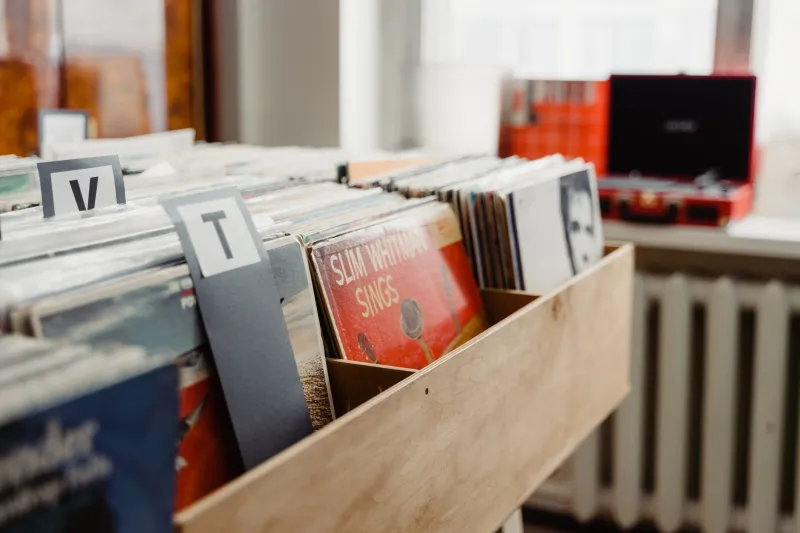
The crate for an opening set looks different from a headliner's box, and that's intentional. Deep cuts, slower builds, tracks with more space in them. Music that rewards attention without demanding it. Stuff that sounds great as background but reveals itself more the closer you listen.
Obscure doesn't have to mean inaccessible. Some of the best opening records are familiar enough in feel — the groove, the key, the general vibe — that they put people at ease, but unfamiliar enough that they don't trigger the mental shortcut of "oh I know this song" and check out. You want people to lean in slightly without realizing they're doing it.
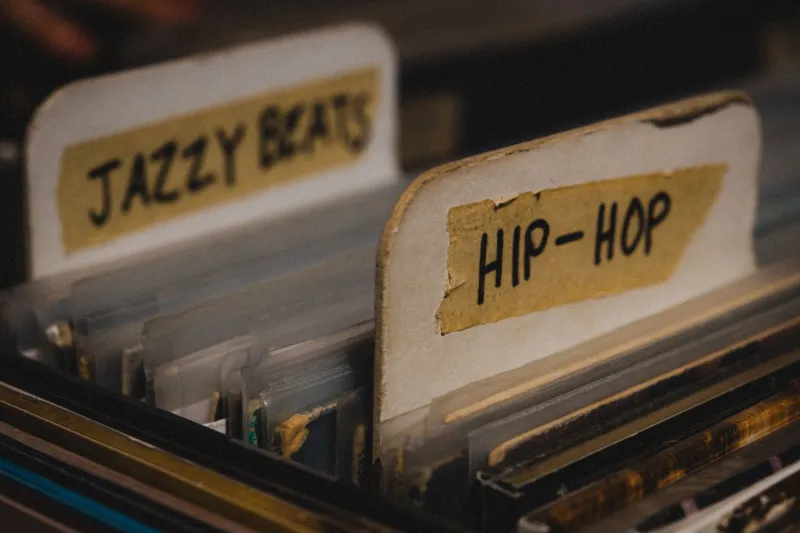
Funk, soul, and classic disco edits are perennial openers in a lot of US markets for this exact reason — they carry warmth and familiarity in their DNA without being predictable. In more electronic-leaning rooms, deep house and minimal tech-house give you that same quality: body-friendly rhythms that don't demand full attention but reward it.
Leaving Room for the Person After You
One of the unwritten rules of opening is that you don't close. Sounds obvious, but it's easier to violate than you'd think. As the room fills and the energy builds, there's a temptation to keep pushing — to ride the momentum you've created. Resist it.
Your job is to hand off a room that's ready, not a room that's already peaked. The headliner needs somewhere to go. If you've already taken things to 132 BPM with the room losing its mind, what does the person after you do? They either have to awkwardly reset or try to outdo you, and neither is a good look for the night.
"I always try to leave the room at about seventy percent of where it could go," says the Chicago resident. "I want whoever's coming on next to walk into a room that's hungry. That's warm but not satisfied. That's the handoff."
Why Every Serious DJ Should Take the Early Slot
There's a reason so many of the best DJs in the country — the ones with longevity, the ones who can genuinely read a room — spent serious time opening. It teaches you things that headlining never will. It builds patience. It forces you to develop a vocabulary beyond your comfort zone. It makes you think about the night as a whole arc rather than your moment in it.
If you're trying to level up as a DJ and you're only chasing the peak-hour slots, you're skipping class. The opening set is the lesson. It's where the craft lives — quiet, unglamorous, and almost invisible when it's done right.
That invisibility, by the way? That's the whole point. The best openers leave no fingerprints. The room just feels right, and nobody quite knows why. By the time the headliner drops their first record into a crowd that's ready and primed and exactly where they need to be, the opener is already packing up their bag.
Mission accomplished. On to the next one.