Gear Up or Get Left Behind: Building Your First Real DJ Setup Without Blowing Your Budget
Let's be real — the DJ gear market in 2025 is a jungle. Walk into any Guitar Center or scroll through Sweetwater for ten minutes and you'll be drowning in spec sheets, influencer endorsements, and gear that promises to turn you into the next Fisher before your first gig. The truth? Most of that noise doesn't matter. What matters is understanding what each piece of your setup actually does for your workflow — and spending your dollars where it counts.
This guide is for the hustlers. The bedroom producers putting in late nights, the aspiring performers who've got a local venue lined up and need to show up ready. We're not here to sell you a dream. We're here to help you build a rig that works.
Start With the Controller: Your Most Personal Piece of Gear
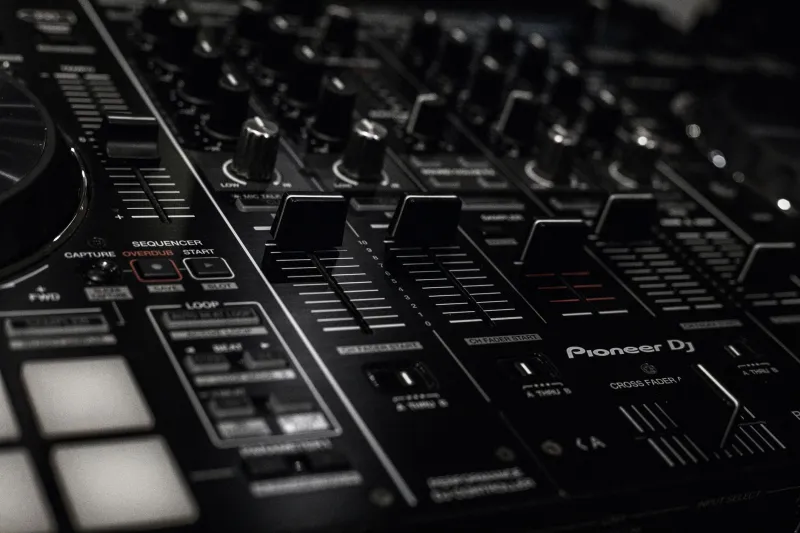
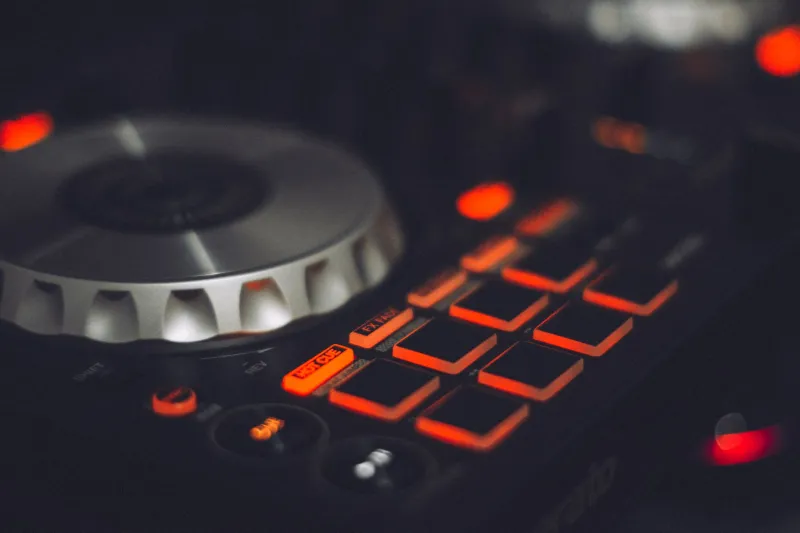
Your DJ controller is the thing your hands are on all night. It's where feel meets function, and it's the piece of gear most worth spending time researching before you buy.
At the entry level, the Pioneer DJ DDJ-FLX4 and the Numark Mixtrack Pro FX are two of the most talked-about options right now, and for good reason. The DDJ-FLX4 clocks in around $250 and integrates seamlessly with both Rekordbox and Serato — two of the most widely-used DJ software platforms in the US club scene. The jog wheels feel responsive, the layout is intuitive, and it's genuinely solid for learning the fundamentals of beatmatching, EQing, and looping.
The Numark option is slightly cheaper and a bit more plastic-y in feel, but it's hard to knock for someone just testing the waters. If you're not sure DJing is your long-term thing, starting here isn't a bad call.
Now, if you're ready to invest in something you won't outgrow in six months, the Pioneer DJ DDJ-800 (~$900) is where the conversation gets serious. It mirrors the layout of the CDJ-2000NXS2 — the industry standard found in virtually every major club booth from Chicago's Smartbar to New York's Elsewhere. That familiarity matters. When you eventually step behind a club's house setup, your muscle memory will already be there.
For the budget-conscious intermediate player, the Denon DJ SC Live 2 is worth a serious look. Denon has been quietly eating into Pioneer's market share, and the SC Live 2 is a standalone unit with a built-in streaming library and a touchscreen interface that feels genuinely modern. It's pricier, but it's also two-in-one functionality that could replace both your controller and your laptop in certain setups.
Software: The Engine Underneath Everything
Here's a hot take: the software debate matters less than the gear community makes it seem. Serato DJ Pro, Rekordbox, and Traktor Pro 4 are all capable of handling everything you'll throw at them at the club level. What actually matters is which one your hardware is optimized for and which workflow clicks with your brain.
Serato remains the default in a lot of US DJ culture, particularly in hip-hop and open-format circles. If you're planning to DJ events, weddings, or club nights that cross genres, Serato's key detection and crate organization will feel natural fast. It's $9.99/month for the Pro tier, which is genuinely affordable.
Rekordbox is essentially mandatory if you're using Pioneer hardware, and its free tier has gotten more capable with each update. The paid tiers unlock advanced performance features, but a lot of working DJs operate just fine on the free version for prep and organization.
Traktor, developed by Native Instruments, has a steeper learning curve but a devoted following among techno and house DJs who love its mixing precision and effects architecture. If you're deep in the electronic music world and your musical identity leans toward the more technical end, Traktor rewards the time investment.
One word on DAWs: if you're also producing — and you probably should be, even just to understand arrangement — Ableton Live is the bridge between the studio and the booth that most working electronic artists swear by. The Push 3 controller makes it even more performance-ready. It's not cheap, but the educational discount brings it down significantly if you qualify.
Mixers: When You're Ready to Go Modular
If you're running a controller setup, you already have a built-in mixer — so this section is for DJs who are starting to think about separating their setup into a mixer-plus-media-player configuration, which is where the pro world lives.
The Allen & Heath Xone:23 (~$350) is a beloved entry point into the standalone mixer world. It's a two-channel analog mixer with a warm, musical EQ that DJs in the house and techno communities especially love. It's not flashy, but it's built like a tank and sounds incredible.
For four-channel flexibility, the Pioneer DJ DJM-750MK2 (~$900) is the workhorse option — reliable, club-compatible, and packed with enough send/return effects routing to keep things interesting. If your goal is to eventually walk into a club booth and feel at home, this mixer's layout will prepare you well.
The Allen & Heath Xone:96 is the aspirational pick for serious analog purists. At around $1,800, it's a significant investment, but DJs who own one tend to keep it for life.
The Honest Recommendation
Here's what we'd actually tell a friend who's serious about making this happen in 2025 without going broke:
- Under $500 total: DDJ-FLX4 + Serato DJ Lite (free) + whatever laptop you already own. Focus on fundamentals.
- $500–$1,200: DDJ-800 or Denon SC Live 2 + Rekordbox paid tier. You're building a real rig now.
- $1,200+: Separate mixer and media players, Ableton for production, and start thinking seriously about acoustic treatment if you're working in a home studio setup.
The gear doesn't make the DJ. But having the right tools for the job means you spend less mental energy fighting your setup and more time actually developing your ear, your catalog, and your crowd-reading instincts. That's where the real work happens — and no piece of hardware can do it for you.